
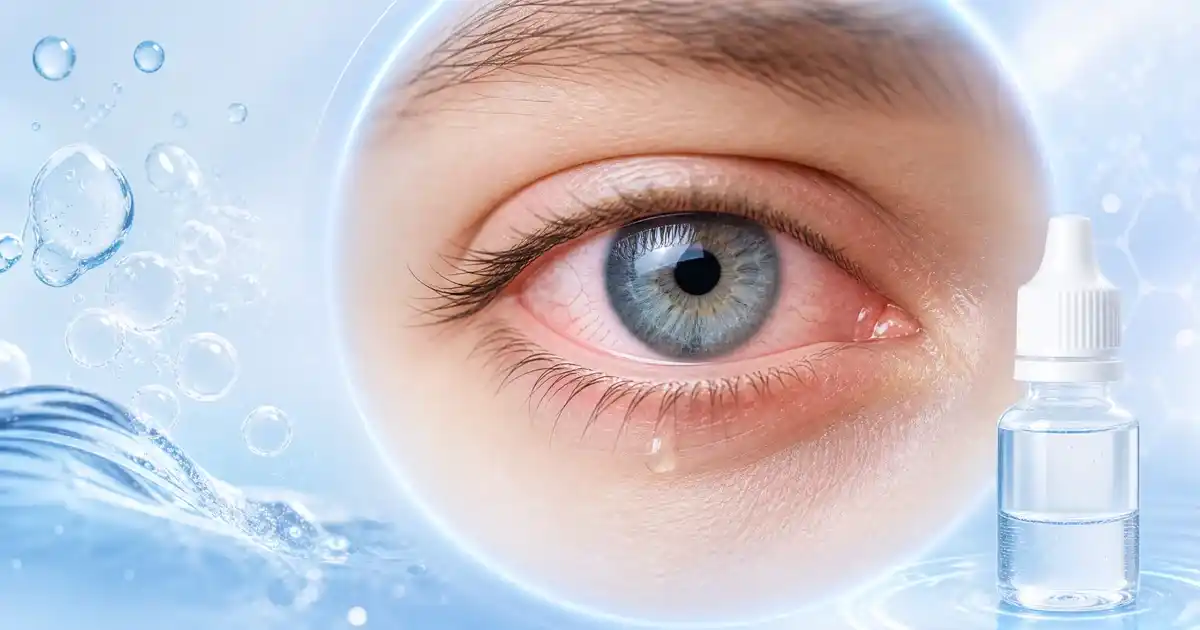
Conjunctivitis: Causes, Symptoms, Prevention and Treatment
Learn with Dr. Khalil about conjunctivitis causes and symptoms, treatment options, and practical prevention measures that help protect eye health.
Conjunctivitis is a common eye condition that may cause redness, itching, tearing, discharge, or a sensation of irritation. Its causes vary from bacterial and viral infections to allergies and environmental irritation, which means that treatment should not be the same for every case. Some forms can also be contagious and require additional precautions to reduce transmission, particularly among family members and children. Correct diagnosis helps determine the underlying cause and prevents unnecessary use of inappropriate eye drops. At Dr. Khalil Ibrahim Hijazi Consultant & Ophthalmic Surgeon, professional assessment focuses on identifying the cause of symptoms and evaluating the eye before selecting an appropriate management plan. This article explains the main causes and types of conjunctivitis, its symptoms, diagnosis, treatment options, recovery, and practical prevention measures.
Conjunctivitis and Its Main Causes
The conjunctiva is the thin membrane covering the white part of the eye and lining the inside of the eyelids. It can become inflamed because of infection, allergy, or irritation.
Understanding the cause is essential because different forms require different approaches. Antibiotics, for example, do not treat viral conjunctivitis, while allergic conjunctivitis requires avoidance of triggers and appropriate control of the allergic response.
Causes of Conjunctivitis
The causes of conjunctivitis can generally be divided into infectious and non-infectious causes. Viruses and bacteria are common infectious causes, while allergies, smoke, dust, chemicals, and other irritants can produce non-infectious inflammation.
Certain habits may also increase the risk of developing or spreading the condition, including touching the eyes, rubbing them, or sharing towels, cosmetics, and personal items.
Eye redness alone does not necessarily mean that the condition is contagious, as redness may also result from allergy, dryness, or temporary irritation.
Infectious Eye Inflammation
Infectious eye inflammation occurs when bacteria or viruses cause inflammation of the conjunctiva. It can spread through contaminated hands, secretions, or shared surfaces and personal items.
Transmission may be more likely in crowded environments, schools, workplaces, and households. Prevention therefore involves not only treating the affected individual but also reducing opportunities for transmission.
Important measures include:
Washing hands regularly.
Avoiding touching or rubbing the eyes.
Not sharing towels or eye cosmetics.
Cleaning frequently touched personal items appropriately.
Conjunctivitis in Children
Conjunctivitis in children is relatively common and may be caused by bacteria, viruses, or allergies. Parents may notice redness, discharge, swollen eyelids, or eyelids sticking together after sleep.
Children may touch their eyes and then touch toys and surfaces, making transmission easier. Teaching children proper hand hygiene and discouraging eye rubbing can therefore be helpful.
Medical assessment is particularly important when there is significant discharge, pain, marked light sensitivity, or changes in vision.
Symptoms of Conjunctivitis and How It Is Diagnosed
Symptoms of conjunctivitis vary according to the underlying cause and severity. Some cases begin in one eye and later affect the other, particularly when infection is involved.
Diagnosis generally relies on the medical history, eye examination, symptoms, and the nature of any discharge. Distinguishing bacterial, viral, and allergic conjunctivitis is important because management differs between them.
Symptoms of Conjunctivitis
Common symptoms of conjunctivitis may include:
Eye redness.
Itching, particularly with allergic conjunctivitis.
Excessive tearing.
Mucous or pus-like discharge in some cases.
A gritty or foreign-body sensation.
Swollen eyelids.
Different degrees of light sensitivity.
Severe pain or reduced vision should not automatically be attributed to conjunctivitis because these symptoms may indicate another eye condition requiring prompt assessment.
Eye Redness
Eye redness is one of the most common signs, but it is not enough by itself to identify the cause. Redness may result from infection, allergy, dryness, irritation, or other ocular problems.
For this reason, choosing eye drops based only on redness is not recommended. Persistent redness accompanied by discharge, significant itching, pain, or visual changes should be evaluated professionally.
Signs of Eye Inflammation
Signs of eye inflammation vary according to the underlying cause. The pattern of symptoms can help guide diagnosis, although symptoms alone may not always be sufficient.
Sign | Possible association |
|---|---|
Severe itching | Often associated with allergy |
Thick discharge | May occur with bacterial inflammation |
Tearing and redness | May occur with viral inflammation or irritation |
Swollen eyelids | Can accompany several forms |
Severe pain or reduced vision | Requires prompt medical evaluation |
Types of Conjunctivitis and How They Spread
Different types of conjunctivitis vary in their causes, symptoms, and contagiousness. Identifying the type is important for selecting appropriate treatment and reducing transmission when infection is present.
The main forms include bacterial, viral, and allergic conjunctivitis, each with characteristic features.
Bacterial Conjunctivitis
Bacterial conjunctivitis is caused by bacterial infection and may present with redness, thicker discharge, and eyelids sticking together, particularly after sleep. It may begin in one eye and subsequently affect the other.
Treatment depends on the clinical assessment, and antibiotic eye drops or ointments may be prescribed in selected cases. Antibiotics should not be used without appropriate evaluation because they do not treat viral or allergic conjunctivitis.
Good personal hygiene is also important for reducing transmission.
Viral Conjunctivitis
Viral conjunctivitis may occur with a viral illness and can sometimes accompany respiratory symptoms. Redness, tearing, light sensitivity, and discomfort are common manifestations.
Some viral cases are highly contagious, making hand hygiene and avoiding shared towels and personal items particularly important.
Antibiotics do not treat viral infections. Management commonly focuses on symptom relief and monitoring, according to professional assessment.
Allergic Conjunctivitis
Allergic conjunctivitis develops when the eyes react to allergens such as dust, pollen, or other environmental triggers. Itching is often one of its most prominent features, along with redness, tearing, and eyelid swelling.
Unlike infectious conjunctivitis, allergic conjunctivitis does not spread between people. Avoiding the triggering allergen and using appropriate treatment when necessary can help control symptoms.
Is Conjunctivitis Contagious?
Whether conjunctivitis is contagious depends on its cause. Viral and bacterial conjunctivitis may spread through hands, eye secretions, shared towels, or contaminated personal items. Allergic conjunctivitis does not spread in the same way.
When infectious conjunctivitis is suspected, careful handwashing, avoiding direct contact, and not sharing personal items can help reduce transmission.
Conjunctivitis Treatment and Recovery Time
Treatment depends on the cause, which is why identifying the type of inflammation is the first step. Some cases require specific medication, while others gradually improve with supportive care and avoidance of triggers.
Antibiotic or steroid-containing eye drops should not be used without appropriate medical guidance, as unnecessary or inappropriate treatment can be ineffective and may cause complications in certain circumstances.
Conjunctivitis Treatment
Conjunctivitis treatment depends on its cause, severity, and the overall condition of the eye. Supportive measures may include appropriate compresses, gentle removal of discharge, and avoiding eye rubbing.
Bacterial cases may require topical antibiotics when clinically indicated, while viral cases often focus on symptom relief and monitoring. Allergic cases require reducing exposure to triggers and using appropriate medication when recommended.
Important:
Eye redness alone is not enough to determine which treatment is appropriate, so professional assessment may be necessary.
Treatment for Eye Redness
Treatment for eye redness depends on its cause rather than the intensity of redness alone. Redness caused by infection may require a different approach from redness caused by allergy, dryness, or irritation.
Rest, avoiding irritants, and appropriate compresses may help relieve discomfort in some cases. Persistent redness accompanied by pain or visual changes should be assessed by an eye professional.
It is also important to avoid excessive use of redness-relief drops without identifying the underlying cause.
Conjunctivitis Recovery Time
Conjunctivitis recovery time varies according to the type, severity, and response to treatment. Some cases improve relatively quickly, while others may take longer before symptoms completely resolve.
Factors that can influence recovery include:
The underlying cause.
Severity of inflammation.
Adherence to the recommended treatment.
Coexisting allergies or eye conditions.
Continued exposure to the triggering factor.
If symptoms fail to improve or become worse, reassessment is preferable to continuing treatment without a clear diagnosis.
Prevention of Conjunctivitis
Simple daily habits can reduce the risk of developing conjunctivitis or spreading infection to others. Prevention becomes especially important when someone in the household or surrounding environment has a contagious form.
Good hygiene and avoiding unnecessary contact with the eyes are among the most practical preventive measures.
Prevention of Conjunctivitis
Prevention of conjunctivitis includes several practical habits:
Wash hands frequently with soap and water.
Avoid rubbing or touching the eyes with unclean hands.
Do not share towels or eye cosmetics.
Clean glasses and personal items regularly.
Replace old or contaminated eye cosmetics.
Follow appropriate hygiene instructions when using contact lenses.
These measures can help reduce the transfer of microorganisms and irritants to the eyes.
Ways to Prevent the Spread of Eye Inflammation
When infectious eye inflammation is present, transmission can be reduced by:
Washing hands before and after touching the eyes or applying drops.
Using a personal towel.
Avoiding touching the infected eye and then the other eye.
Not sharing cosmetics or personal items.
Cleaning frequently touched surfaces.
Following medical advice regarding returning to school or work.
Items that may have become contaminated with eye secretions should be handled or discarded according to appropriate medical guidance.
When Should You Visit an Eye Doctor?
Some cases of conjunctivitis are mild, but certain symptoms require prompt professional evaluation, particularly when the cause is uncertain or symptoms are severe.
An eye examination is recommended when there is:
Significant or severe eye pain.
Reduced or changed vision.
Severe light sensitivity.
Significant or worsening swelling.
Persistent or heavy discharge.
Symptoms that fail to improve or become worse.
Eye injury or chemical exposure.
Children, contact lens users, and people with previous eye conditions may require particular attention.
Conclusion
Conjunctivitis should be managed according to its underlying cause rather than based on redness alone. Bacterial and viral forms may be contagious, while allergic conjunctivitis is triggered by different factors and requires a different management approach. Appropriate diagnosis helps avoid unnecessary medication, control symptoms, and support safer recovery. Good hand hygiene, avoiding eye rubbing, and not sharing personal items remain essential measures for reducing transmission. At Dr. Khalil, professional attention focuses on assessing eye symptoms, identifying the likely cause, and providing care appropriate to each individual case. When symptoms are severe, persistent, or associated with visual changes, professional eye assessment remains an important step in protecting ocular health.
Frequently Asked Questions
Related Articles
Causes of Recurrent Eye Redness and When It May Indicate a Serious Problem
Causes of recurrent eye redness, when to seek an eye exam, and key prevention tips. Dr. Khalil explains when specialist evaluation is needed.
Chronic Dry Eye: Causes, Treatment, and the Best Ways to Prevent It
Chronic dry eye can affect comfort and visual quality. Understanding its causes, treatment options, and prevention strategies can support healthier eyes with Dr. Khalil.
Glaucoma: How to Protect Your Vision from Gradual Vision Loss
Discover glaucoma with Dr. Khalil Hijazi and learn how early detection, regular monitoring, and appropriate treatment can help protect your vision from gradual loss.
Symptoms of Cataracts in the Eye and When They Require Early Surgical Treatment
Discover with Dr. Khalil Hijazi the warning symptoms of cataracts in the eye, when treatment becomes important, and how modern options can support clearer vision and daily comfort.