Causes of Recurrent Eye Redness and When It May Indicate a Serious Problem
Causes of recurrent eye redness, when to seek an eye exam, and key prevention tips. Dr. Khalil explains when specialist evaluation is needed.
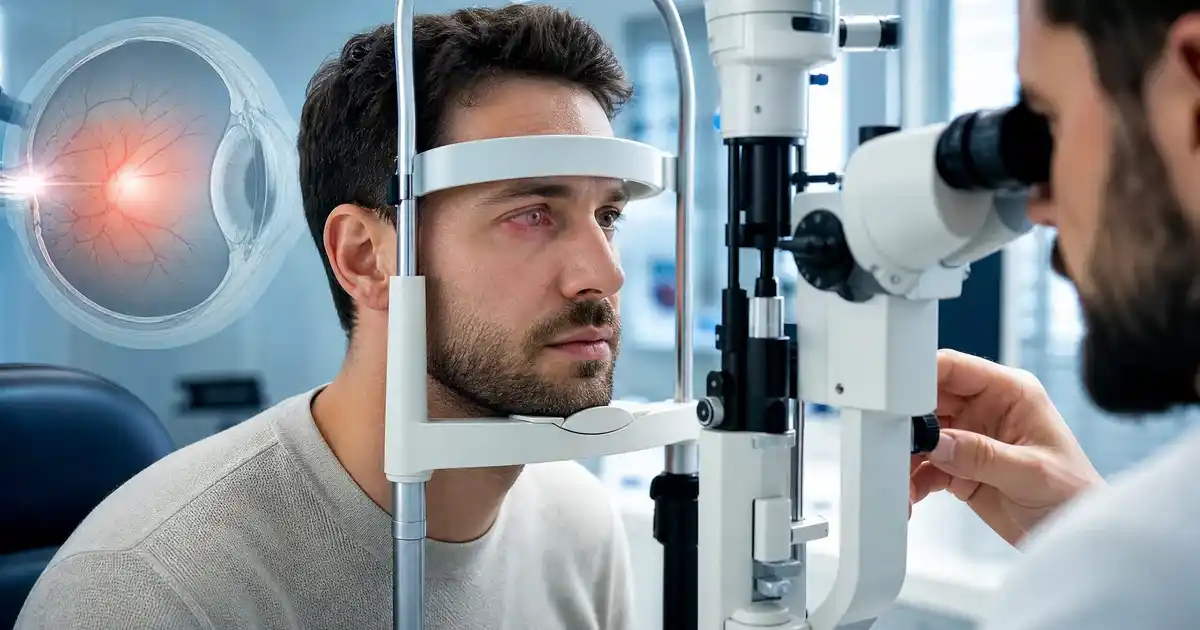
Eye redness is a common symptom that may result from simple causes such as dryness, irritation, allergies, fatigue, or prolonged screen use. However, redness can sometimes accompany inflammation, injury, or an eye condition that requires medical assessment. The Causes of Recurrent Eye Redness and When It May Indicate a Serious Problem depend on how long the redness lasts, whether it affects one or both eyes, and whether symptoms such as pain, itching, discharge, light sensitivity, or vision changes are present. In this article, Dr. Khalil Ibrahim Hijazi Consultant & Ophthalmic Surgeon explains common causes of recurrent redness, warning signs that should not be ignored, and appropriate approaches to care and prevention.
Causes of Recurrent Eye Redness
Eye redness usually occurs when the small blood vessels on the surface of the eye become more prominent or dilated. This can happen because of dryness, irritation, allergies, inflammation, environmental exposure, or prolonged visual strain. In many mild cases, the redness improves when the triggering factor is removed. However, recurrent redness without an obvious explanation deserves attention, particularly when it is accompanied by other symptoms.
Causes of Eye Redness
Common causes of eye redness include dry eye, allergies, conjunctival irritation, exposure to smoke or dust, prolonged screen use, inadequate sleep, and some forms of conjunctivitis. Contact lens misuse can also contribute to redness and irritation.
The appearance of redness alone does not determine the severity of the condition. Pain, blurred vision, marked light sensitivity, discharge, or sudden changes can make professional assessment more important. More information is available in Conjunctivitis: Causes, Symptoms, Prevention and Treatment.
Causes of Recurrent Eye Redness
Recurrent eye redness may be associated with chronic dry eye, ongoing allergies, repeated exposure to irritants, or habits such as rubbing the eyes and prolonged screen use without breaks.
If redness repeatedly returns without a clear cause, it is better to identify the underlying trigger rather than repeatedly using redness-relieving drops. Persistent symptoms may require an ophthalmic examination to determine whether dryness, inflammation, allergy, or another condition is responsible.
Eye Redness Due to Allergies
Allergic eye redness may occur after exposure to substances such as dust, pollen, or other environmental allergens. It is often accompanied by itching, watering, burning, and redness in both eyes.
Rubbing the eyes can make the irritation worse and should therefore be avoided. Identifying and reducing exposure to the suspected trigger may help. When symptoms are severe, persistent, or frequently recurrent, an ophthalmologist can assess the eyes and determine an appropriate treatment approach.
Eye Redness Due to Dry Eye
Dry eye is a common cause of recurrent eye redness, particularly in people who spend long periods using digital devices or who are frequently exposed to air conditioning, dry air, or direct airflow.
Symptoms may include burning, a gritty sensation, fluctuating vision, and sometimes excessive watering. Taking regular screen breaks, blinking more frequently, and avoiding direct airflow may improve mild discomfort. Persistent dryness and redness should be evaluated to determine the underlying cause.
Symptoms Associated with Eye Redness
Eye redness should not be assessed by color alone. Associated symptoms can provide important clues about the possible cause and urgency of the condition. Mild redness with itching may have a different explanation from redness accompanied by significant pain or reduced vision. The speed at which the redness develops is also relevant.
Eye Redness with Pain
Eye redness with pain deserves particular attention, especially when the pain is severe, sudden, or accompanied by blurred vision or significant light sensitivity. Different conditions can produce this combination of symptoms, and some require prompt evaluation.
It is therefore not advisable to rely on eye drops simply to mask the redness or pain without identifying the cause. When pain is significant or worsening, an ophthalmic examination can help determine the appropriate next step.
Eye Redness with Itching
Eye redness with itching is commonly associated with allergies or certain forms of conjunctivitis, particularly when both eyes are affected. Watery eyes, burning, or mild discharge may also occur.
Avoiding eye rubbing is important because mechanical irritation can worsen the symptoms. It may also be useful to consider whether symptoms appear after exposure to dust, cosmetics, animals, or other suspected triggers.
Sudden Eye Redness
Sudden eye redness may result from minor irritation, but it can also accompany conditions that require prompt evaluation. Concern increases when the redness occurs with pain, changes in vision, or marked light sensitivity.
If redness appears suddenly without an obvious cause, it is important to consider the complete group of symptoms rather than simply trying to conceal the redness. When a foreign object may have entered the eye, see Foreign Body in the Eye: The Right Response to Prevent Complications.
When Is Eye Redness Dangerous?
Eye redness is not automatically a sign of a serious condition. However, certain warning signs make medical assessment more important. These include severe pain, changes in vision, significant light sensitivity, eye trauma, sudden onset, persistent redness, or substantial swelling and discharge.
When Is Eye Redness Dangerous?
Eye redness becomes more concerning when it occurs with severe pain, reduced vision, significant difficulty tolerating light, or symptoms following an eye injury. Chemical exposure is another situation that requires immediate attention rather than waiting for the redness to resolve.
Chemical injuries should be treated as an emergency, with appropriate immediate first-aid measures and urgent professional assessment. More information is available in Chemical Eye Burns: First Aid and Rapid Treatment.
Persistent Eye Redness
Persistent eye redness may mean that the triggering factor remains present or that an underlying eye condition requires treatment. Redness that continues for several days, repeatedly returns, or fails to improve after avoiding obvious irritants deserves evaluation.
Repeatedly using redness-relieving drops without medical guidance is not an appropriate substitute for diagnosis. An ophthalmologist may examine the conjunctiva, eyelids, tear film, cornea, and other structures depending on the symptoms.
When Should You See an Ophthalmologist?
An ophthalmologist should be consulted when redness persists, repeatedly returns without a clear explanation, or occurs with pain, vision changes, or marked light sensitivity. Assessment is also particularly important after an injury or when contact lens wear is associated with unusual symptoms.
Urgent evaluation is appropriate for sudden vision loss, severe eye pain, sudden flashes, a major increase in floaters, or a shadow or curtain in the visual field. See Retinal Detachment: Warning Signs That Should Not Be Ignored.
Treatment of Eye Redness According to the Cause
There is no single treatment for every case of eye redness. Management depends on the underlying cause. Mild irritation may improve after removing the trigger, while allergy, dry eye, inflammation, infection, or injury may require different approaches. Identifying the cause is therefore an important part of choosing appropriate treatment.
Treatment of Eye Redness
Treatment depends on the diagnosis. Mild irritation may improve with rest and avoidance of the trigger, while allergic symptoms, dry eye, or inflammation may require specific treatment.
Eye drops should not be used indiscriminately for prolonged periods, particularly products containing medications that require professional guidance. Antibiotic drops should not be used without an appropriate diagnosis. The goal of treatment is to address the cause rather than simply reduce the visible redness.
Home Treatment for Eye Redness
Mild cases may benefit from simple measures such as resting the eyes, avoiding smoke and dust, reducing direct airflow, and avoiding eye rubbing. Appropriate compresses may provide comfort in selected situations, provided good hygiene is maintained.
However, home treatment is not appropriate as the only approach when redness is accompanied by severe pain, vision changes, injury, or sudden significant symptoms. Delaying assessment in these situations may allow an underlying problem to progress.
Treatment of Eye Inflammation
Treatment of eye inflammation depends on its specific cause. Conjunctivitis, for example, can have viral, allergic, or bacterial causes, and these conditions do not necessarily require the same treatment.
Redness, watering, itching, and discharge may occur with inflammation, but significant pain or vision changes require more careful assessment. An ophthalmologist can determine the likely cause and recommend appropriate management.
Preventing Recurrent Eye Redness
Preventing recurrent redness starts with identifying triggers and maintaining healthy eye-care habits. Avoiding irritants, practicing good hygiene, managing screen exposure, and addressing dry eye when present may reduce recurrence in some people. Prevention should be adapted to the underlying cause.
Avoiding Eye Irritants
Smoke, dust, chemicals, and certain cosmetics can irritate the eyes. People working in environments with airborne particles or substances that may reach the eyes should use appropriate protective eyewear.
Eye cosmetics should not be shared, and products should be replaced when necessary. Contact lens users should also follow appropriate hygiene and wearing instructions to reduce the risk of irritation and complications.
Taking Care of Eye Health
Taking care of eye health includes adequate sleep, sufficient hydration, regular breaks during screen use, and avoiding unnecessary eye rubbing. Periodic eye examinations can also help identify certain problems, particularly in people with risk factors.
For more information about preventive assessment, see Comprehensive Eye Examinations for Early Detection of Vision Disorders.
Preventing Dry Eye
Preventing dry eye may help reduce one of the common contributors to recurrent redness. Regular blinking, reducing direct airflow, taking breaks during prolonged screen use, and maintaining a comfortable environment may help reduce symptoms.
Persistent or recurrent dryness should be assessed when simple measures are not enough, because the underlying cause may require targeted treatment. Additional practical advice is available in Daily Tips for Eye Health and Reducing Screen Strain.
Conclusion
Understanding the Causes of Recurrent Eye Redness and When It May Indicate a Serious Problem helps distinguish mild irritation from symptoms that require professional attention. Dry eye, allergies, environmental irritation, and conjunctival inflammation are common causes, while pain, vision changes, marked light sensitivity, injury, or sudden severe symptoms require greater caution. Appropriate care depends on identifying the underlying cause rather than simply masking the redness. With Dr. Khalil Ibrahim Hijazi Consultant & Ophthalmic Surgeon, patients can receive an individualized assessment when recurrent or unusual eye redness requires professional evaluation.
Frequently Asked Questions
Related Articles
Chronic Dry Eye: Causes, Treatment, and the Best Ways to Prevent It
Chronic dry eye can affect comfort and visual quality. Understanding its causes, treatment options, and prevention strategies can support healthier eyes with Dr. Khalil.
Conjunctivitis: Causes, Symptoms, Prevention and Treatment
Learn with Dr. Khalil about conjunctivitis causes and symptoms, treatment options, and practical prevention measures that help protect eye health.
Glaucoma: How to Protect Your Vision from Gradual Vision Loss
Discover glaucoma with Dr. Khalil Hijazi and learn how early detection, regular monitoring, and appropriate treatment can help protect your vision from gradual loss.
Symptoms of Cataracts in the Eye and When They Require Early Surgical Treatment
Discover with Dr. Khalil Hijazi the warning symptoms of cataracts in the eye, when treatment becomes important, and how modern options can support clearer vision and daily comfort.