
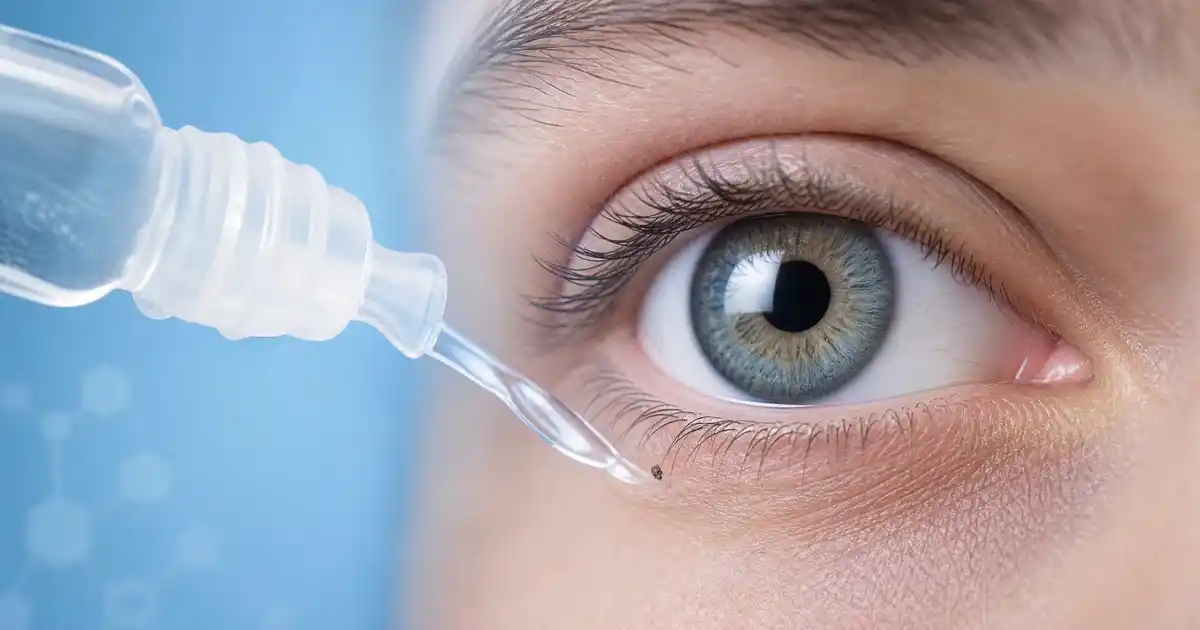
Foreign Body in the Eye: The Right Response to Prevent Complications
Discover with Dr. Khalil Hijazi how to deal safely with a foreign body in the eye, when first aid is enough, and when medical evaluation is essential.
A foreign body entering the eye can happen suddenly during work, outdoor activities, sports, household tasks, or play. It may be something minor such as dust or an eyelash, while other objects, particularly sharp or high-speed particles, can cause deeper eye injuries.
The correct response is important because rubbing the eye or attempting to remove an embedded object with household tools can worsen the injury and potentially damage the cornea or deeper eye structures.
In some minor cases, gentle rinsing may be enough to remove a superficial particle. However, persistent pain, blurred vision, bleeding, or a suspected penetrating injury requires prompt ophthalmic assessment.
At Dr. Khalil Ibrahim Hijazi Consultant & Ophthalmic Surgeon, eye injuries involving foreign bodies are evaluated carefully to determine the location and nature of the object and whether the cornea or other eye structures have been affected.
Foreign Body in the Eye: What Happens and How Should You Respond?
When a foreign body enters the eye, the eye may respond with tearing, blinking, redness, itching, or a sensation that something is stuck inside.
Small superficial particles may sometimes be removed naturally through blinking and tears. However, persistent symptoms may indicate that the object remains present or has caused a corneal abrasion.
Entry of a Foreign Body Into the Eye
Dust, sand, eyelashes, wood particles, and small metal fragments can enter the eye during daily activities.
If the object is superficial and not embedded, gentle rinsing with clean water or sterile saline may help remove it.
An object that appears embedded should never be pulled out manually. Pressure or inappropriate instruments can cause additional damage.
A Foreign Body Inside the Eye
A foreign body that has penetrated the cornea or entered deeper ocular tissue is different from ordinary surface debris.
Penetrating injuries can occur when sharp or high-speed particles strike the eye. The size of the object does not necessarily indicate the severity of the injury.
The eye should not be pressed or manipulated. The safest approach is to protect it from further injury and obtain urgent ophthalmic evaluation.
Symptoms of a Foreign Body in the Eye
Common symptoms include a foreign-body sensation, tearing, redness, irritation, light sensitivity, and discomfort.
A corneal abrasion may cause pain and blurred vision, particularly when blinking. Persistent symptoms after rinsing should be assessed because a small particle may remain under the eyelid or an abrasion may have developed.
Severe pain, significant visual changes, or bleeding should be considered warning signs requiring medical attention.
What Should I Do If Something Enters My Eye?
The first priority is to remain calm and avoid rubbing the eye.
If the object is superficial and not embedded, gently rinsing the eye with clean water or sterile saline may help remove it.
What Should I Do If There Is a Foreign Body in My Eye?
Do not rub or press the eye.
If the object is small and superficial, gentle irrigation may help remove it. Repeated blinking can also help move a small particle toward the corner of the eye.
If pain, blurred vision, severe light sensitivity, or bleeding occurs, medical assessment is more appropriate than repeated home attempts.
How to Remove a Foreign Body From the Eye
The correct method depends on the location and type of object.
Superficial dust particles may sometimes be removed with gentle irrigation. Embedded objects should not be removed with tweezers, needles, cotton swabs, or fingers.
If the sensation remains after rinsing, an ophthalmologist may need to examine the eyelids and cornea to determine whether a particle remains or whether an abrasion has occurred.
Removal of a Foreign Body From the Eye
Removing a superficial foreign body may be relatively straightforward, but a medical examination can be necessary to ensure that no fragments remain.
After removal, the cornea should be checked for scratches or other injuries, particularly when the original incident involved a high-speed object or significant trauma.
Treatment following removal depends on the condition of the eye and the presence of any additional injury.
First Aid When Something Enters the Eye
First aid aims to prevent further injury until the eye can be assessed when necessary.
Eye First Aid
Appropriate first-aid measures include:
Stop the activity that caused the injury.
Do not rub or press the eye.
Wash your hands before touching the area around the eye.
Gently rinse the eye if the object is superficial and not embedded.
Remove contact lenses if they can be removed easily without pressure.
Seek medical assessment if pain, blurred vision, or persistent foreign-body sensation remains.
Dust Entering the Eye
Dust is one of the most common causes of foreign-body sensation.
Tears and blinking may naturally remove small particles, while gentle irrigation can help.
Rubbing should be avoided because the particle may scratch the cornea. Persistent pain, redness, light sensitivity, or blurred vision should be evaluated.
What Should Be Avoided After an Eye Injury?
Avoid rubbing the eye, pressing on it, or attempting to pull out an embedded object.
Do not use sharp instruments or household tools. Avoid using prescription eye drops without medical advice.
Contact lenses should not be worn while the eye is painful or significantly red.
Delaying medical evaluation despite major visual changes or severe symptoms can increase the risk of complications.
When Does a Foreign Body in the Eye Require Medical Attention?
Not every superficial particle requires emergency treatment, but certain symptoms indicate that the injury may be more serious.
When Should You See an Ophthalmologist?
Medical assessment is recommended when there is severe or increasing pain, blurred or reduced vision, significant light sensitivity, bleeding, inability to open the eye, or a suspected embedded object.
High-speed metal fragments and sharp objects deserve particular attention because they can cause penetrating injuries even when the external appearance seems limited.
Situation | Appropriate First Response | When Is Medical Examination Needed? |
|---|---|---|
Dust or small particles in the eye | Gently rinse the eye with clean water or saline and avoid rubbing | If pain or the foreign-body sensation persists |
Foreign body on the eye surface | Rinse the eye and gently blink without using sharp tools | If it does not come out easily or pain and scratching occur |
Foreign body embedded in the eye | Do not attempt to remove it or apply pressure; protect the eye gently | Requires prompt ophthalmic evaluation |
Metal fragment or sharp object | Do not touch, pull, or press on the eye | Urgent medical assessment is required |
Eye injury with blurred or reduced vision | Avoid rubbing the eye and do not use unprescribed drops | Prompt medical evaluation is recommended |
Chemical exposure to the eye | Immediately flush the eye with plenty of water | This is an emergency requiring medical assessment after first aid |
Symptoms That Require Medical Examination
Persistent symptoms can indicate a corneal abrasion, retained material under the eyelid, inflammation, or another injury.
A medical examination can determine the exact cause and guide appropriate treatment.
Foreign Body in a Child's Eye
Children may have difficulty explaining what happened or may repeatedly rub the injured eye.
Parents should prevent rubbing and may gently rinse the eye if the object is superficial and not embedded.
If symptoms persist, vision changes, or the injury involves a sharp or high-speed object, an ophthalmic examination should be arranged promptly.
Complications of a Foreign Body in the Eye and Prevention
Complications depend on the type of object, its location, the duration of contact, and whether the cornea or deeper structures have been injured.
Complications of a Foreign Body in the Eye
Possible complications include corneal abrasions, inflammation, persistent redness, light sensitivity, and blurred vision.
Severe penetrating injuries can damage deeper structures and may significantly affect vision.
Risks of Trying to Remove a Foreign Body
Using fingers or household instruments can scratch the cornea or push an object deeper.
Non-sterile tools can also introduce microorganisms and increase the risk of infection.
If an object appears embedded, it should not be pulled out at home.
Treatment of a Foreign Body in the Eye
Treatment depends on the type, location, and severity of the injury.
A superficial particle may sometimes be removed after gentle irrigation. A retained or embedded object may require specialized removal and examination of the cornea afterward.
Additional treatment may be required if there is an abrasion, inflammation, or another injury. Medication should not be used randomly because the appropriate treatment depends on the clinical findings.
Conclusion
A foreign body entering the eye may initially seem minor, but improper handling can lead to corneal abrasions, inflammation, infection, or more significant injury.
Avoiding rubbing and refusing to use household tools to remove embedded objects are among the most important first steps.
Severe pain, blurred vision, bleeding, marked light sensitivity, or a suspected penetrating injury requires appropriate ophthalmic assessment.
At Dr. Khalil, eye injuries are evaluated carefully to determine the safest approach according to the nature of the injury and the condition of the eye.
Prompt and appropriate care can help reduce complications and protect visual function.
Frequently Asked Questions
Related Articles
Sports Eye Injuries: Prevention and Immediate Treatment
Sports Eye Injuries: Prevention and Immediate Treatment explains common sports-related eye injuries, first aid, prevention, protective eyewear, and warning signs requiring medical evaluation.
Chemical Eye Burns: First Aid and Rapid Treatment
Dr. Khalil explains chemical eye burns, the immediate first-aid steps, warning signs, and treatment options that help protect the cornea and vision.
First Aid for Eye Injuries and When the Condition Becomes an Emergency
Discover with Dr. Khalil Hijazi the Eye Injury First Aid and Emergency Signs and when rapid medical assessment is important to protect vision.
Retinal Tear: How Is It Diagnosed and Treated Before Vision Loss?
A retinal tear may cause sudden floaters or flashes and requires timely diagnosis and appropriate treatment before it progresses to retinal detachment and vision loss.