Foods That Support Eye Health and Help Maintain Strong Vision
Learn about Foods That Support Eye Health and Help Maintain Strong Vision, including vitamins, lutein, omega-3 fatty acids, and healthy dietary choices with Dr. Khalil.
Nutrition is an important part of maintaining overall eye health. The eyes need a variety of vitamins, minerals, carotenoids, antioxidants, and healthy fats to perform their normal functions. For this reason, choosing nutrient-rich foods can be part of a healthy daily routine, particularly when combined with regular eye examinations and protective habits. However, no individual food can correct refractive errors or replace appropriate medical treatment. This article explains Foods That Support Eye Health and Help Maintain Strong Vision, focusing on leafy vegetables, fatty fish, lutein, omega-3 fatty acids, vitamins, carrots, and other useful food choices. With Dr. Khalil Ibrahim Hijazi Consultant & Ophthalmic Surgeon, eye care can be approached comprehensively by combining healthy nutrition with appropriate professional evaluation and preventive care.
Foods That Support Eye Health and Help Maintain Strong Vision
Choosing foods that support eye health is not about finding one food that can improve vision by itself. Instead, the goal is to maintain a varied diet that provides different nutrients needed by the eyes and the rest of the body. Leafy greens, fruits, colorful vegetables, fish, nuts, and seeds can all contribute to a balanced nutritional pattern. Healthy nutrition can also support general health and help manage certain conditions that may affect eye health. Therefore, foods that support better vision should be understood as part of a broader healthy lifestyle rather than as a direct treatment for refractive errors.
Foods That Support Better Vision
No food can directly correct myopia, hyperopia, or astigmatism. However, some foods provide nutrients that support normal eye and retinal function. Useful choices include spinach, kale, arugula, colorful vegetables, fruits, fatty fish, nuts, and seeds.
A varied diet is preferable to relying heavily on one specific food. Good nutrition also contributes to general health and can support the management of health conditions that may increase the risk of certain eye complications.
Foods That Support Strong Eyesight
When discussing foods that support strong eyesight, it is important to distinguish between supporting eye health and directly increasing visual acuity. Nutrition cannot replace glasses, contact lenses, or treatment when a person has a refractive error or an eye disease that requires medical care.
Daily meals can include leafy greens, carrots, peppers, citrus fruits, fatty fish, and nuts. These foods can provide a variety of vitamins, carotenoids, and healthy fats.
Best Foods for Eye Health
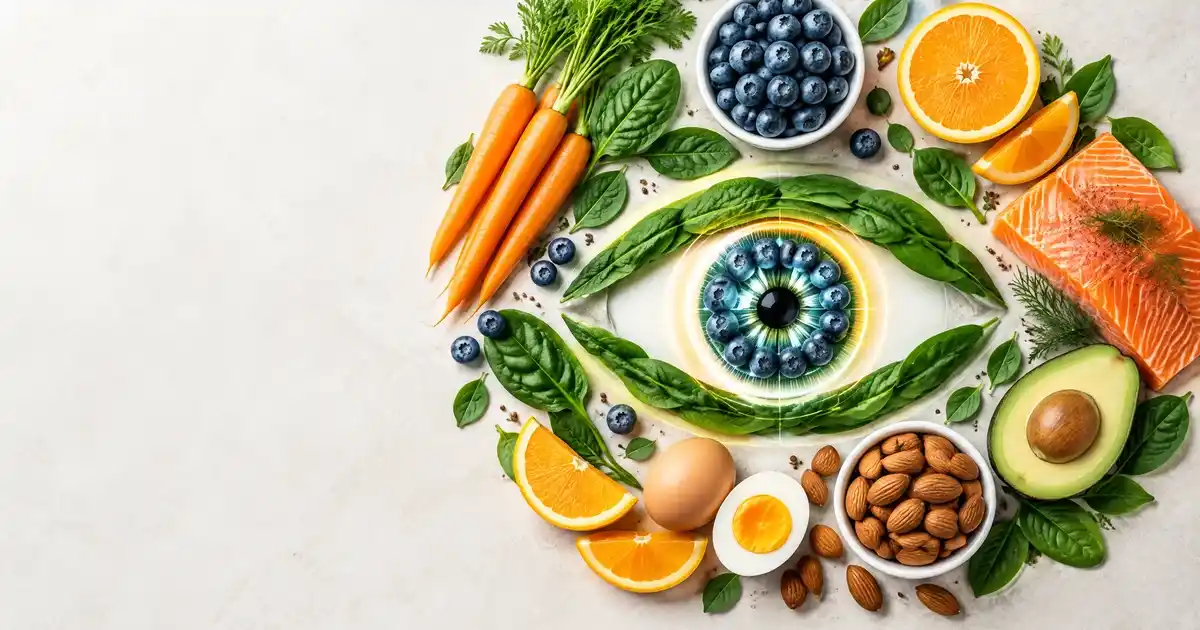
The best foods for eye health can be divided into several useful categories:
Food group | Examples | Key nutrients |
|---|---|---|
Leafy greens | Spinach, kale, arugula | Lutein and zeaxanthin |
Fatty fish | Salmon, tuna | Omega-3 fatty acids |
Colorful vegetables | Carrots, peppers, sweet potatoes | Carotenoids |
Fruits | Oranges, strawberries | Vitamin C and antioxidants |
Nuts and seeds | Almonds, walnuts | Vitamin E and healthy fats |
The goal is not necessarily to eat every food every day, but to maintain variety over time and obtain nutrients from different sources.
Key Vitamins and Nutrients for Eye Health
The eyes depend on a variety of nutrients to support their normal functions. Important nutrients include vitamin A, vitamins C and E, lutein, zeaxanthin, and omega-3 fatty acids. Most people can obtain these nutrients through a varied diet rather than relying on supplements without a specific reason.
Nutritional needs vary between individuals. Some specialized supplements are used for specific eye conditions under medical guidance, so high-dose vitamins should not be taken simply with the goal of improving vision.
Vitamins for Eye Health
Important vitamins for eye health include vitamin A, which contributes to normal vision, as well as vitamins C and E, which are found in many fruits, vegetables, nuts, and seeds. Other nutrients also contribute to a balanced dietary pattern.
Obtaining nutrients from food is generally preferable when possible. Supplements should not be considered a replacement for healthy eating, and certain formulations are designed for specific eye conditions rather than general vision improvement.
Lutein-Rich Foods
Lutein-rich foods include dark leafy vegetables such as spinach and kale. Lutein and zeaxanthin are naturally present in parts of the eye and are widely studied for their role in eye health.
Adding spinach, kale, or arugula to salads and cooked meals is a simple way to diversify dietary sources of these nutrients. Lutein should nevertheless be considered part of overall nutrition rather than a standalone treatment.
Omega-3-Rich Foods for the Eyes
Omega-3-rich foods for the eyes include fatty fish such as salmon and tuna. These foods can be included regularly as part of a balanced dietary pattern.
It is important to distinguish dietary fish consumption from omega-3 supplements used for a specific eye condition. Supplements should not automatically be considered a treatment for every eye problem.
Foods That May Support Vision and Protect the Eyes
Foods that may support vision provide nutrients that contribute to normal eye function, but they cannot replace professional treatment. Maintaining healthy vision depends on multiple factors, including nutrition, general health, physical activity, UV protection, and regular eye examinations.
For this reason, eye protection is best approached as a combination of healthy habits rather than focusing on a single nutrient or food.
Foods for Better Vision
Foods for better vision can provide nutrients that support eye health. Leafy greens, colorful fruits and vegetables, fatty fish, nuts, and seeds can all form part of a balanced diet.
However, if a person develops persistent or sudden vision changes, dietary changes alone are not enough to identify the cause. An appropriate eye examination is important when vision changes occur.
Foods That Support Eye Protection
Foods that support eye protection can contribute to general nutritional health and may help address some lifestyle-related risk factors. Vegetables, fruits, fish, whole grains, nuts, and seeds can form the basis of a balanced eating pattern.
Highly processed foods should be limited when they dominate the diet, while overall health, physical activity, and appropriate management of chronic conditions should also be considered.
For more daily eye-care advice, read Daily Tips for Eye Health and Reducing Screen Strain, especially for people who spend long periods using digital screens.
Carrots and Eye Health
Carrots and eye health are commonly discussed because carrots contain beta-carotene, which the body can convert into vitamin A. Vitamin A is important for normal vision, but eating large amounts of carrots does not correct refractive errors or create unusually sharp eyesight.
Carrots can therefore be a useful part of a varied diet, together with leafy vegetables, fruits, fish, nuts, and seeds.
Best Foods for Maintaining Eye Health
Maintaining eye health requires consistent healthy habits rather than relying on a single food for a short period. Foods that help maintain eye health include leafy greens, fruits, fatty fish, nuts, seeds, and colorful vegetables. Eating a variety of foods helps provide different nutrients.
Nutrition is only one component of eye care. Adequate sleep, physical activity, UV protection, regular examinations, and proper management of chronic diseases can also contribute to maintaining healthy vision.
Foods That Help Maintain Eye Health
Foods that help maintain eye health include spinach, kale, arugula, fatty fish, fruits, and colorful vegetables. These foods can be incorporated into everyday meals without requiring a complicated diet.
Regular eye examinations should also remain part of preventive care because some eye diseases may develop without obvious symptoms during their early stages.
Beneficial Foods for the Eyes
Beneficial foods for the eyes can be included in balanced meals containing vegetables, protein, whole grains, and healthy fats. Spinach can be added to salads, fatty fish can be included in regular meals, and fruits containing vitamin C can be used as healthy snacks.
Protecting the eyes from environmental factors is also important, including excessive exposure to ultraviolet radiation.
For more information, read How to Protect Your Eyes from UV Radiation Throughout the Year.
Foods for Eye Health
Foods for eye health include carrots, spinach, kale, fatty fish, citrus fruits, nuts, and seeds. These foods are most useful when incorporated into a varied and balanced diet.
High-dose vitamin or mineral supplements should not be used without a specific medical reason. Some supplements are intended for particular conditions and patient groups and are not appropriate for everyone.
The Role of Nutrition in Maintaining Strong Vision
Eye health nutrition provides supportive nutrients through vegetables, fruits, proteins, whole grains, and healthy fats. A balanced diet can contribute to overall health and support the eyes, especially when combined with physical activity and appropriate management of chronic conditions.
Foods for maintaining strong vision should therefore be considered as part of a comprehensive lifestyle rather than as a replacement for eye examinations or medical treatment.
Eye Health Nutrition
Eye health nutrition depends on dietary variety. Vegetables, fruits, protein sources, healthy fats, whole grains, and nutrient-rich foods can provide a broad range of vitamins and minerals.
Nutrition should also be combined with regular eye examinations because some eye conditions may progress before noticeable symptoms appear. A healthy diet is therefore one part of a broader preventive strategy.
Foods for Maintaining Strong Vision
Foods for maintaining strong vision include leafy greens, fatty fish, fruits, colorful vegetables, nuts, and seeds. These foods can be distributed throughout the week to maintain dietary variety.
No individual food can guarantee healthy vision throughout life. A broader approach combining healthy eating, preventive habits, and regular eye examinations is more appropriate.
Foods That Support Better Vision
Foods that support better vision can provide nutrients such as vitamin A, vitamins C and E, lutein, and omega-3 fatty acids. However, these foods should be viewed as nutritional support rather than a direct treatment for refractive errors or eye disease.
Persistent blurred vision, eye pain, double vision, flashes of light, a sudden increase in floaters, or any sudden change in vision requires appropriate medical assessment rather than dietary changes alone.
Conclusion
A balanced diet can be an important part of maintaining healthy eyes, particularly when it includes a variety of vegetables, fruits, fish, nuts, and other nutrient-rich foods. However, Foods That Support Eye Health and Help Maintain Strong Vision should not be considered a direct treatment for vision problems or a replacement for professional eye care. Combining healthy nutrition with preventive habits and regular examinations provides a more comprehensive approach to eye health. With Dr. Khalil Ibrahim Hijazi Consultant & Ophthalmic Surgeon, eye health can be evaluated individually according to age, general health, and relevant risk factors, with appropriate guidance for long-term vision care.
Frequently Asked Questions
Related Articles
How to Protect Your Eyes from UV Radiation Throughout the Year
Learn with Dr. Khalil how to protect your eyes from UV radiation, choose suitable sunglasses, and reduce sun-related eye risks throughout the year.
Daily Tips for Eye Health and Reducing Screen Strain
Explore daily tips for eye health and reducing screen strain with Dr. Khalil Hijazi, including practical habits for better visual comfort and protection.
Removing Eyelid Bags: When Is Surgery the Best Option?
Learn about the causes of under-eye bags, when surgical eyelid bag removal may be appropriate, the main treatment options, expected results, risks, and recovery with Dr. Khalil.
Chemical Eye Burns: First Aid and Rapid Treatment
Dr. Khalil explains chemical eye burns, the immediate first-aid steps, warning signs, and treatment options that help protect the cornea and vision.