How to Protect Your Eyes from UV Radiation Throughout the Year
Learn with Dr. Khalil how to protect your eyes from UV radiation, choose suitable sunglasses, and reduce sun-related eye risks throughout the year.
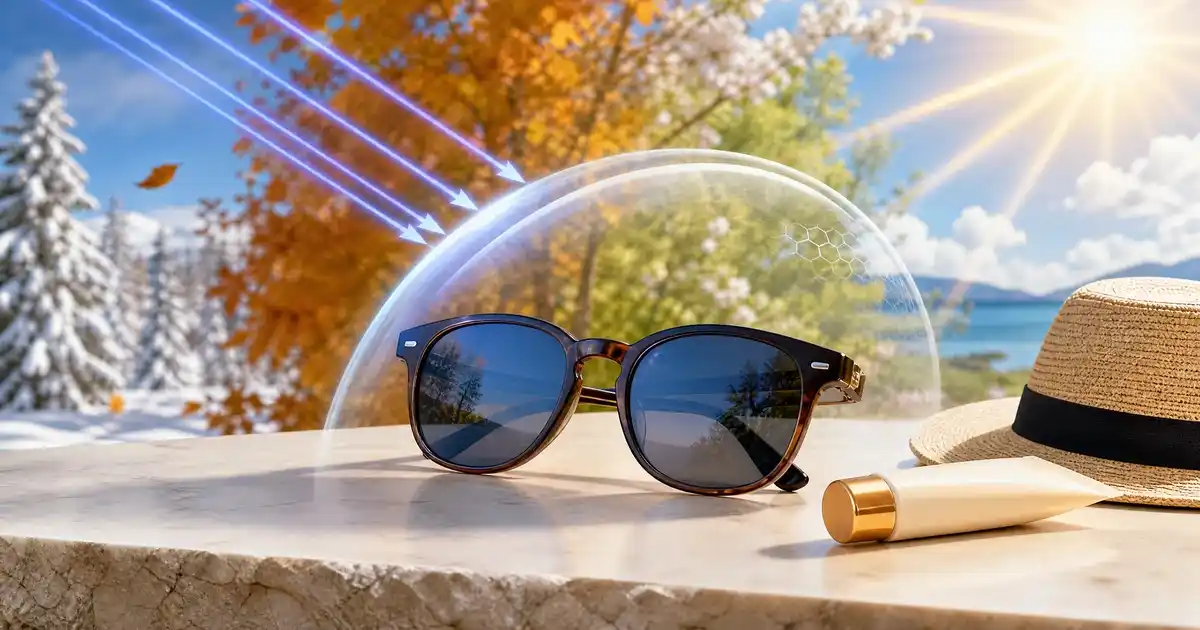
Your eyes are exposed to ultraviolet radiation during everyday outdoor activities, including walking, driving, exercising, and spending time in bright environments. This exposure is not limited to hot summer days, as ultraviolet radiation can still reach the eyes during cooler or partly cloudy conditions. Repeated exposure without adequate protection may contribute to eye irritation and, over time, may be associated with certain changes affecting ocular health. Therefore, eye protection should be considered a year-round habit rather than a seasonal precaution. At Dr. Khalil Ibrahim Hijazi Consultant & Ophthalmic Surgeon, Protecting Your Eyes from Ultraviolet is considered an important part of maintaining long-term visual health alongside diagnosis and treatment. This article explains the relationship between ultraviolet radiation and the eyes, potential risks, and practical ways to protect your vision throughout the year.
Eye Protection from Ultraviolet Radiation and Its Importance
Ultraviolet radiation is an invisible component of sunlight that can reach the eyes at different levels depending on the environment, time of day, season, and exposure conditions. While moderate exposure is part of everyday life, prolonged or intense exposure without protection may increase the risk of certain eye problems.
People who spend long periods outdoors, work under sunlight, or participate in outdoor sports may benefit particularly from consistent protective habits. Reflection from water, sand, and other bright surfaces can also increase the amount of ultraviolet radiation reaching the eyes.
Ultraviolet Radiation and the Eye
Ultraviolet radiation is generally divided into UVA and UVB. Both types can affect the eye, although their penetration and biological effects differ.
The concern is not simply temporary brightness. Repeated exposure may contribute to irritation and certain long-term ocular changes. For this reason, sunglasses should not be viewed only as a way to reduce glare; when properly designed, they can also form part of a broader strategy for eye protection.
Damage Caused by Ultraviolet Radiation to the Eyes
Damage caused by ultraviolet radiation to the eyes depends on exposure intensity, duration, and frequency. Short-term effects may include irritation, excessive tearing, and light sensitivity, particularly after intense exposure.
Potential effects associated with prolonged or excessive exposure include:
Photokeratitis after intense ultraviolet exposure.
Increased eye irritation and light sensitivity.
Changes affecting the ocular surface.
Long-term association with certain age-related eye conditions.
These risks do not mean that everyone exposed to sunlight will develop an eye disorder. Instead, they highlight the importance of reducing unnecessary exposure and using appropriate protection.
The Effect of Sunlight on the Eyes
The effect of sunlight on the eyes can become noticeable after prolonged exposure, particularly in highly reflective environments. Temporary discomfort, tearing, and light sensitivity may occur.
Looking directly at the sun is particularly dangerous because intense sunlight can damage the retina. Ordinary sunglasses should never be considered safe protection for deliberate solar viewing. Effective protection combines reducing direct exposure, using appropriate sunglasses, and avoiding direct observation of the sun.
Sunglasses for Eye Protection from the Sun
Sunglasses are among the most practical protective measures when they provide reliable ultraviolet protection. Lens darkness alone does not determine protection. A dark lens without adequate UV protection may reduce visible brightness without providing the protection the eyes need.
A suitable frame can also reduce light entering from the sides, which may be particularly useful in bright outdoor environments. Sunglasses should ideally be purchased from a reliable source with clear protection specifications.
UV Protection Glasses
When choosing UV protection glasses, lens color and frame style should not be the only considerations. The key factor is whether the lenses provide reliable UVA and UVB protection.
Important considerations include:
Confirming suitable UVA and UVB protection.
Choosing lenses from a reliable source.
Selecting a frame that fits the face appropriately.
Considering the activity for which the glasses will be used.
Checking that the lenses are in good condition.
Sunglasses can reduce ultraviolet exposure and glare, but they do not make it safe to look directly at the sun.
Best Sunglasses for the Eyes
There is no single pair that can be considered the best sunglasses for the eyes for everyone. The choice depends on UV protection, lens quality, frame design, comfort, and intended use.
Polarized lenses may help reduce glare from reflective surfaces such as water and roads. However, polarization does not automatically guarantee ultraviolet protection. The actual UV specifications should therefore be checked before purchase.
Protecting the Eyes from Sunlight
Protecting the eyes from sunlight involves more than wearing sunglasses. Several simple habits can provide additional protection, especially during prolonged outdoor exposure:
Wear a suitable wide-brimmed hat.
Use UV-protective sunglasses in bright environments.
Reduce direct exposure during periods of intense sunlight.
Use shade when spending long periods outdoors.
Never look directly at the sun.
Combining these measures can reduce the amount of intense light and ultraviolet radiation reaching the eyes.
Effects of Ultraviolet Radiation on Eye Health
The effects of ultraviolet exposure may accumulate over time, so prevention should not depend on immediate symptoms. Ultraviolet radiation can affect the cornea, conjunctiva, and lens, and chronic exposure has been associated with certain ocular conditions.
The level of risk varies according to exposure duration, environmental conditions, age, and protective habits. Consistent protection is therefore valuable, particularly for people who spend substantial amounts of time outdoors.
Harmful Ultraviolet Radiation to the Eyes
Harmful ultraviolet radiation to the eyes can cause problems after intense exposure and may be associated with certain long-term risks when exposure is repeated over many years.
The goal is not to avoid sunlight completely. Instead, it is to reduce unnecessary exposure and use appropriate protection during periods of significant outdoor exposure.
Ultraviolet Radiation and Eye Diseases
The relationship between ultraviolet radiation and eye diseases has been investigated in relation to several ocular conditions. Intense exposure may cause photokeratitis, while long-term exposure has been associated with certain changes affecting the lens and ocular surface.
Preventive care is therefore valuable even before symptoms appear, particularly for individuals whose work or lifestyle involves frequent outdoor exposure.
Preventing Sun Damage to the Eyes
Preventing sun damage to the eyes begins with reducing direct exposure and using reliable protective measures.
Protective measure | Main benefit |
|---|---|
UV-protective sunglasses | Reduce ultraviolet exposure and glare |
Wide-brimmed hat | Reduce direct overhead light |
Shade | Reduce direct sunlight exposure |
Avoiding direct solar viewing | Protect the retina |
Eye examination when symptoms occur | Identify problems requiring assessment |
These measures become particularly useful during long periods outdoors or in highly reflective environments.
Protecting the Eyes from the Sun Throughout the Year
A common misconception is that eye protection is only important during summer. Ultraviolet radiation is present throughout the year, and exposure can occur during cooler seasons as well.
Cloud cover does not necessarily eliminate ultraviolet exposure. Therefore, it is better to associate eye protection with outdoor activity rather than with a specific season.
Eye Protection in Summer
Eye protection in summer becomes especially important because outdoor activities may increase and exposure periods may become longer. Swimming, walking, travel, and outdoor sports can all involve significant exposure.
Practical summer measures include:
Wearing sunglasses with reliable UV protection.
Using a suitable hat during prolonged exposure.
Staying in the shade when sunlight is intense.
Protecting the eyes during swimming.
Avoiding direct viewing of the sun.
These habits can help reduce direct exposure and glare.
Protecting the Eyes from the Sun Throughout the Year
Protecting the eyes from the sun throughout the year should not stop when summer ends. During autumn, winter, and spring, the eyes may still be exposed during driving, walking, and outdoor activities.
Reflected light from roads, water, sand, and other surfaces can also increase brightness. Keeping suitable sunglasses available can make consistent protection easier.
How Can I Protect My Eyes from the Sun?
If you are asking, “How can I protect my eyes from the sun?”, start with practical daily habits:
Choose sunglasses with reliable UV protection.
Wear a hat during prolonged outdoor exposure.
Use shade when sunlight is intense.
Never look directly at the sun.
Encourage children to develop healthy eye-protection habits.
Seek professional evaluation if persistent symptoms or visual changes occur.
Effective Tips for Protecting the Eyes from Ultraviolet Radiation
Daily eye protection does not require complicated routines. Consistency and appropriate protective choices are the most important factors.
This is particularly relevant for people who work outdoors, exercise outside, or spend many hours in bright environments. It is also important to remember that dark lenses are not necessarily UV-protective, so actual UV specifications should always be considered.
Choosing Sunglasses for Eye Protection
When choosing sunglasses for eye protection, prioritize reliable UV protection over lens color or fashion. Select glasses from a trustworthy source with clear specifications.
A well-fitting frame can also reduce light entering around the sides. Polarized lenses may reduce glare, but polarization should not be confused with ultraviolet protection.
Daily Eye Protection from Ultraviolet Radiation
Daily eye protection from ultraviolet radiation can become a simple habit whenever you go outdoors during daylight hours, particularly on very bright days or during prolonged exposure.
Using appropriate sunglasses, hats, shade, and avoiding direct solar viewing can all contribute to prevention. Children should also be encouraged to develop protective habits early.
Ways to Prevent Sun Damage to the Eyes
Ways to prevent sun damage to the eyes include several complementary measures rather than relying on one method alone.
Key practices include:
Reduce unnecessary direct sun exposure.
Wear sunglasses with reliable UV protection.
Use a suitable hat during prolonged exposure.
Avoid looking directly at the sun.
Protect the eyes during outdoor activities.
Seek an eye examination if pain, persistent sensitivity, or visual changes occur.
Conclusion
Protecting the eyes from ultraviolet radiation is a simple but valuable part of year-round eye care. Appropriate sunglasses, a suitable hat, shade, and avoiding direct viewing of the sun can all help reduce unnecessary exposure to intense sunlight and ultraviolet radiation. Protection should not begin only after symptoms appear, particularly for people who spend considerable time outdoors. At Dr. Khalil, preventive care is considered alongside professional assessment whenever persistent symptoms or visual changes occur. Understanding the relationship between sunlight and ocular health can encourage healthier daily habits and support long-term visual comfort. Consistent protection is one of the simplest steps toward maintaining healthy eyes throughout every season.
Frequently Asked Questions
Related Articles
Best Daily Habits to Prevent Common Eye Diseases
Foods That Support Eye Health and Help Maintain Strong Vision
Learn about Foods That Support Eye Health and Help Maintain Strong Vision, including vitamins, lutein, omega-3 fatty acids, and healthy dietary choices with Dr. Khalil.
Daily Tips for Eye Health and Reducing Screen Strain
Explore daily tips for eye health and reducing screen strain with Dr. Khalil Hijazi, including practical habits for better visual comfort and protection.
Retinal Tear: How Is It Diagnosed and Treated Before Vision Loss?
A retinal tear may cause sudden floaters or flashes and requires timely diagnosis and appropriate treatment before it progresses to retinal detachment and vision loss.