Optic Nerve Atrophy: Causes, Symptoms and Treatment
Protect your vision with Dr. Khalil! Discover the causes and symptoms of optic nerve atrophy, the importance of early diagnosis, and available treatment options to preserve remaining vision.
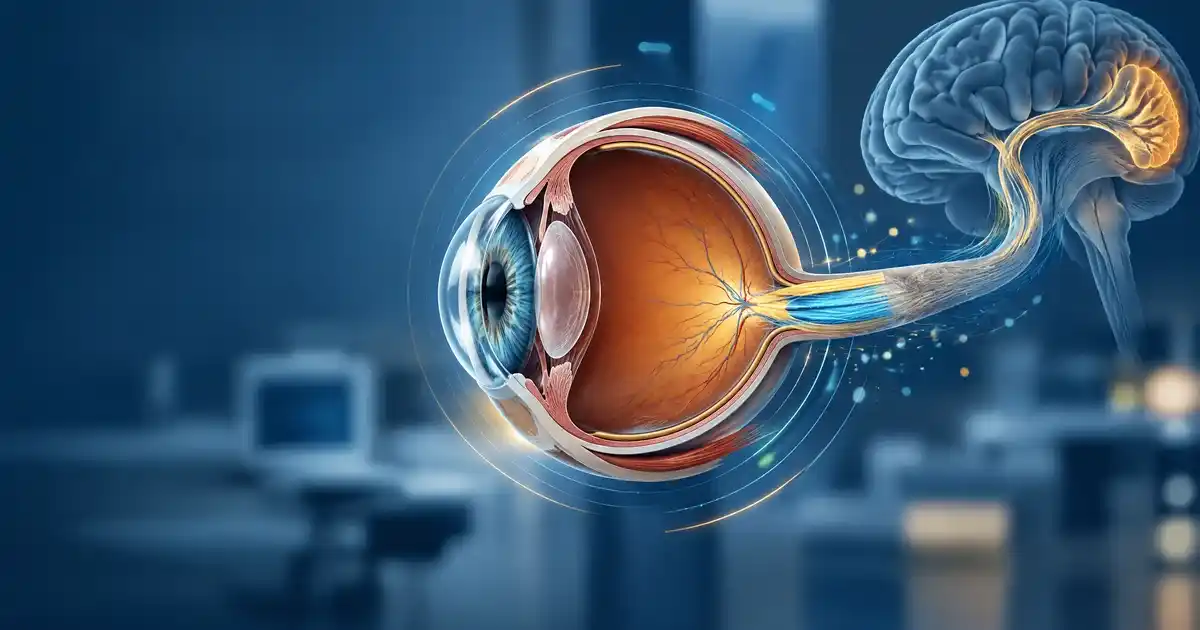
The optic nerve plays a vital role in vision by transmitting visual signals from the retina to the brain. When its nerve fibers become damaged due to disease, inflammation, reduced blood supply, pressure, injury, or other medical conditions, visual function may be affected. Long-term damage to these fibers can lead to optic nerve atrophy, a condition that may cause partial or significant vision loss.
Optic nerve atrophy does not have a single cause or one universal treatment. The appropriate medical approach depends on the underlying condition, the extent of nerve damage, and whether the cause can still be treated. Early evaluation is essential because certain conditions may continue damaging the optic nerve if they are not identified and managed promptly.
This article explains Optic Nerve Atrophy: Causes, Symptoms and Treatment, including the most common causes, warning signs, diagnostic tests, and available management options. Dr. Khalil Ibrahim Hijazi, Consultant & Ophthalmic Surgeon, provides specialized assessment for eye and optic nerve conditions through clinical examination and appropriate diagnostic investigations.
Understanding Optic Nerve Atrophy and Its Main Causes
Optic nerve atrophy is the result of damage or loss of optic nerve fibers. It can affect one eye or both eyes and may develop gradually or follow an acute medical problem. Understanding the underlying cause is an essential step in determining the appropriate management plan.
What Is Optic Nerve Atrophy?
Optic nerve atrophy occurs when optic nerve fibers are damaged or lost, reducing the ability of the optic nerve to transmit visual information to the brain. During an eye examination, the optic nerve head may appear pale, while functional tests can reveal changes in visual acuity, color vision, contrast sensitivity, or the visual field.
The condition may develop after prolonged injury or as a consequence of an acute disease. Its effects vary significantly between patients, depending on the location and severity of the damage. A comprehensive examination is therefore necessary to distinguish optic nerve damage from retinal disease, refractive errors, and other causes of reduced vision.
Causes of Optic Nerve Atrophy
The causes of optic nerve atrophy are varied. They may include glaucoma, inflammation of the optic nerve, reduced blood supply, pressure on the optic nerve, head or eye injuries, infections, certain neurological disorders, hereditary conditions, nutritional deficiencies, and exposure to toxic substances.
Glaucoma is one important condition that can damage the optic nerve over time. You can also learn more about Glaucoma: How to Protect Your Vision from Gradual Vision Loss , particularly when discussing the importance of early diagnosis and regular monitoring.
In some cases, identifying the exact cause requires several investigations, including eye examinations, imaging, laboratory tests, or neurological assessment.
Risk Factors for Optic Nerve Damage
Risk factors depend on the underlying cause. They may include glaucoma, vascular disorders, eye or head injuries, inflammatory diseases, neurological conditions, hereditary eye disorders, and certain nutritional or toxic exposures.
Having one of these risk factors does not necessarily mean that a person will develop optic nerve atrophy. However, individuals with relevant medical or family histories may benefit from regular ophthalmic assessments. Early detection can be especially important when a condition has the potential to cause progressive optic nerve damage.
Symptoms and Signs of Optic Nerve Atrophy
The symptoms of optic nerve atrophy depend on the severity and location of the damage and the condition responsible for it. Some patients experience gradual visual deterioration, while others may notice a more sudden change in vision.
Symptoms of Optic Nerve Atrophy
Possible symptoms include reduced visual acuity, blurred vision, difficulty seeing fine details, impaired color vision, reduced contrast sensitivity, and loss of parts of the visual field. Symptoms may affect one eye or both eyes.
Some patients may initially notice difficulty distinguishing colors or seeing objects in low-contrast environments rather than a significant reduction in visual clarity. Unexplained visual changes should not automatically be attributed to a need for stronger glasses, particularly when vision does not improve with appropriate correction.
Signs of Optic Nerve Atrophy
During an eye examination, the ophthalmologist may identify optic nerve pallor, changes in the optic nerve head, or abnormalities in visual function. Visual field testing, color vision assessment, and optical coherence tomography may provide additional evidence of optic nerve damage.
The signs may not always be noticeable to the patient. This is why a person may require a specialized eye examination even when symptoms are mild or difficult to describe.
Reduced Vision Caused by the Optic Nerve
Reduced vision caused by optic nerve damage differs from common refractive problems because the issue may involve the transmission of visual signals from the eye to the brain. Depending on the affected nerve fibers, the patient may experience changes in visual acuity, color perception, or peripheral vision.
A comprehensive eye assessment may help identify the source of unexplained vision loss. You can read more about Comprehensive Eye Examinations for Early Detection of Vision Disorders , which may be relevant when investigating unexplained visual changes.
Diagnosis of Optic Nerve Atrophy
The diagnosis of optic nerve atrophy involves assessing the structure and function of the optic nerve while investigating the underlying cause. A single test is not always sufficient, so the ophthalmologist may combine several examinations according to the patient’s symptoms and medical history.
Diagnosis of Optic Nerve Atrophy
The diagnostic process usually begins with a detailed medical history and an assessment of when the visual changes started. The ophthalmologist may evaluate visual acuity, color vision, pupil responses, the visual field, intraocular pressure, and the appearance of the optic nerve.
Additional tests may include optical coherence tomography, brain and orbital magnetic resonance imaging, blood tests, or other investigations when clinically indicated. Fundus Imaging: When Is It Recommended and Why Is It Important? explains the role of fundus imaging in assessing eye health.
The selected tests depend on whether the suspected cause is ophthalmic, neurological, inflammatory, vascular, hereditary, or related to another medical condition.
Optic Nerve Examination
An optic nerve examination may include a fundus examination, visual field testing, color vision assessment, intraocular pressure measurement, and OCT imaging. These tests help the physician evaluate the structure of the optic nerve and detect functional changes.
In patients suspected of having glaucoma, measuring intraocular pressure may be an important part of the assessment. More information is available in Eye Pressure Measurement: Why It Is Essential for Glaucoma Detection .
The results must be interpreted together rather than considered independently, as a single measurement cannot always establish the diagnosis.
When Should You Visit an Ophthalmologist?
Any unexplained change in vision should be assessed by an eye specialist. Particular attention is required when visual deterioration is sudden, progressive, or associated with changes in color vision or the visual field.
Sudden vision loss, severe eye pain, or new neurological symptoms may require urgent medical assessment. Prompt evaluation is important because some causes of optic nerve damage may require rapid treatment to prevent further visual loss.
Regular eye examinations are also important for people with glaucoma, chronic diseases, a family history of eye disorders, or previous eye and head injuries.
Treatment of Optic Nerve Atrophy and Management Options
The treatment of optic nerve atrophy depends on the underlying cause and the degree of existing damage. There is no single treatment that can restore all optic nerve fibers that have been permanently lost. Therefore, management focuses on treating the cause whenever possible and preventing additional damage.
Treatment of Optic Nerve Atrophy
There is currently no universal treatment that reverses established optic nerve atrophy or restores permanently damaged nerve fibers. However, early treatment of the underlying cause may help preserve remaining optic nerve function.
For example, glaucoma management may focus on controlling intraocular pressure, while inflammatory conditions may require specific medical treatment. If the optic nerve is compressed, treatment may focus on addressing the source of the pressure.
The treatment plan should be individualized and based on the clinical findings, imaging results, and the patient’s overall health.
Can Optic Nerve Atrophy Be Treated?
The answer to Can optic nerve atrophy be treated? depends largely on the cause and the stage at which the condition is identified. Permanent loss of optic nerve fibers cannot currently be reversed, but treating a reversible or controllable cause may prevent further damage.
In some situations, visual function may improve if the underlying condition is treated before permanent nerve fiber loss occurs. For this reason, the goal of treatment is not always to restore the optic nerve completely, but to protect the remaining vision and manage the cause effectively.
Treating the Causes of Optic Nerve Damage
Treatment varies according to the underlying condition. It may include glaucoma management, treatment of inflammation or infection, correction of a confirmed nutritional deficiency, management of vascular disease, or treatment of pressure affecting the optic nerve.
When visual changes are related to retinal disease, identifying the retinal condition is also important. For example, patients with diabetes may require assessment for Diabetic Retinopathy: Symptoms and Treatment Options to Protect Vision .
Treatment should never be selected based only on symptoms. A complete diagnosis is necessary before determining whether medication, surgery, monitoring, or supportive care is appropriate.
Optic Nerve Atrophy in Children and Prevention
Optic nerve atrophy in children may result from congenital, hereditary, neurological, inflammatory, traumatic, or other acquired conditions. Because visual development occurs during childhood, early assessment and appropriate follow-up are particularly important.
Optic Nerve Atrophy in Children
The causes of optic nerve atrophy in children may include developmental abnormalities, hereditary disorders, neurological diseases, infections, inflammation, and injuries. The diagnostic approach depends on the child’s age, symptoms, ability to cooperate with testing, and clinical findings.
The ophthalmologist may perform a comprehensive eye examination and age-appropriate visual function tests. OCT imaging, brain imaging, genetic testing, or neurological assessment may be considered when clinically necessary.
Other childhood eye conditions should also be evaluated when relevant. Parents can learn more about Amblyopia in Children: Causes, Treatment, and the Importance of Early Diagnosis and Signs of Strabismus in Children and When to See an Ophthalmologist .
Prevention of Optic Nerve Atrophy
Not every cause of optic nerve atrophy can be prevented, particularly hereditary or congenital conditions. However, certain measures may reduce the risk of avoidable optic nerve damage.
These measures include controlling chronic diseases, attending recommended eye examinations, protecting the eyes from injury, and seeking medical attention when new visual symptoms appear. Patients with glaucoma or other conditions that may affect the optic nerve should follow their prescribed monitoring and treatment plans.
Preventive eye care cannot eliminate every risk, but it can support early detection and timely management of conditions that threaten vision.
Is Optic Nerve Atrophy Dangerous?
Optic nerve atrophy can be serious because it may result in permanent vision loss, especially when the underlying cause continues to damage the optic nerve. However, the severity and prognosis vary significantly from one patient to another.
The expected outcome depends on the cause, the extent of nerve damage, the speed of diagnosis, and whether the underlying condition can be controlled. The diagnosis alone does not determine the patient’s final visual outcome.
It is also important to recognize urgent eye conditions such as retinal detachment. Read about Retinal Detachment: Warning Signs That Should Not Be Ignored .
Conclusion
Optic nerve atrophy is a condition associated with damage to the fibers responsible for transmitting visual information from the eye to the brain. It may develop due to glaucoma, inflammation, reduced blood supply, pressure, injury, hereditary disorders, or other medical conditions. Because the damage may become permanent, identifying the underlying cause as early as possible is essential.
Diagnosis may involve a comprehensive eye examination, visual field testing, color vision assessment, intraocular pressure measurement, OCT imaging, and additional investigations when necessary. Treatment depends on the cause and focuses on protecting the remaining visual function and preventing further damage when possible.
Dr. Khalil Ibrahim Hijazi, Consultant & Ophthalmic Surgeon, can assess optic nerve conditions, determine the appropriate diagnostic tests, and help identify suitable management options based on each patient’s individual findings and visual needs.
Frequently Asked Questions
Related Articles
Retinal Detachment: Warning Signs That Should Not Be Ignored
Retinal detachment can threaten vision when diagnosis is delayed. Dr. Khalil explains the main symptoms, warning signs, diagnosis, and treatment options.
Keratoconus: Symptoms and the Latest Available Treatment Options
Explore keratoconus with Dr. Khalil and discover its symptoms, diagnosis, and modern treatment options designed to protect corneal health and visual quality.
Diabetic Retinopathy: Symptoms and Treatment Options to Protect Vision
Discover with Dr. Khalil Hijazi the symptoms, treatment, and prevention of diabetic retinopathy to help protect retinal health and vision.
When Do You Need a Comprehensive Eye Exam Without Symptoms?
Protect your vision with Dr. Khalil! Learn when you need a comprehensive eye exam without symptoms and how early detection can help preserve healthy vision.